
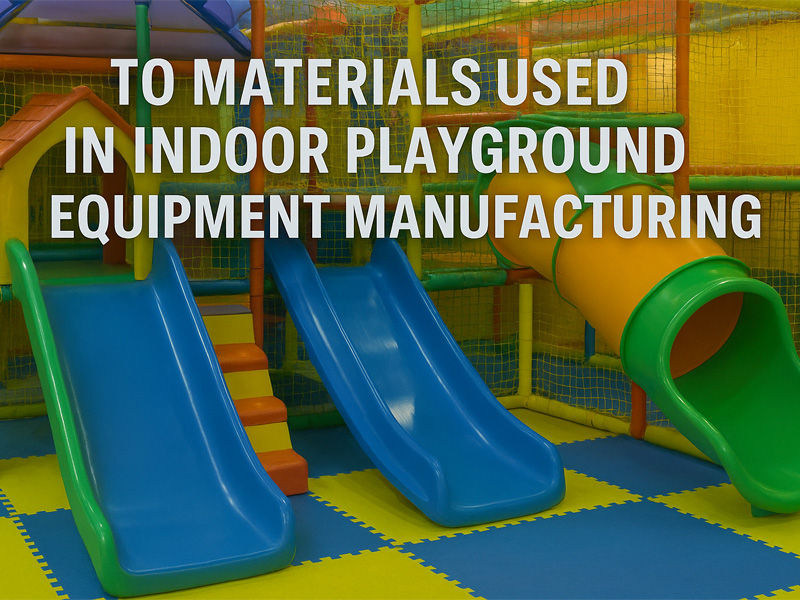
The quality and safety of indoor playground equipment depend heavily on the materials used in its construction. As consumer expectations rise and global safety standards become stricter, manufacturers must prioritize durability, hygiene, environmental impact, and child-friendly design. Choosing the right materials not only affects long-term maintenance costs but also influences user experience, safety performance, and the overall lifespan of the facility. Today’s indoor playgrounds integrate advanced polymers, engineered metals, eco-friendly fabrics, and impact-absorbent surfaces to create safe and enjoyable environments for children. This comprehensive guide explores the top materials used in modern indoor playground equipment manufacturing and explains how each contributes to safety, functionality, and long-term value. Understanding these materials helps operators make informed investments while complying with international safety and environmental guidelines.
High-Strength Steel: The Structural Backbone of Indoor Playgrounds
High-strength steel remains the most essential structural material used in indoor playground manufacturing. It provides the core framework for climbing structures, support beams, slide foundations, and safety barriers. Steel’s exceptional load-bearing capacity, stability, and resistance to deformation make it indispensable for ensuring equipment longevity. Manufacturers typically choose galvanized steel or powder-coated steel to prevent rust, corrosion, and surface degradation caused by humidity or repeated cleaning. Powder coating also adds a layer of aesthetic customization, allowing vibrant colors that match the playground theme.
One of the key advantages of steel is its predictable performance under stress and impact, ensuring compliance with global mechanical safety standards. Proper welding, structural testing, and thickness certification guarantee that the framework can withstand years of high activity. While steel requires higher initial investment, its durability reduces long-term operational costs. As indoor playgrounds increasingly adopt modular systems, steel continues to serve as the reliable foundation that supports advanced play structures.
Soft Play Foam: Ensuring Safe Impact Absorption for Active Play
Soft play foam is one of the most important materials used to reduce injury risks in indoor playgrounds. Typically made from high-density polyurethane (PU) foam or ethylene-vinyl acetate (EVA) foam, it is used in padding, flooring, safety mats, climbing blocks, and protective wall panels. These foams are engineered to absorb impact efficiently, preventing injuries from sudden falls or collisions. EVA foam, in particular, offers excellent elasticity, lightweight characteristics, and high durability under repetitive stress.
Manufacturers often wrap foam surfaces with durable PVC coverings, creating smooth, easy-to-clean layers that resist moisture, bacteria, and wear. This combination of foam and PVC ensures both comfort and hygiene, making it suitable for toddler zones, soft-play areas, and components such as ball pools or obstacle course padding. Safety certifications like EN1176 and ASTM standards require foam materials to meet specific impact-absorption criteria, further highlighting their importance. With increasing focus on child safety, foam-based components continue to evolve with improved resilience, anti-bacterial properties, and flame-retardant features.
Plastic Components: Lightweight, Versatile, and Child-Friendly
Plastic is widely used in indoor playground manufacturing due to its versatility, color retention, and ability to form complex shapes. High-quality plastics such as high-density polyethylene (HDPE), low-density polyethylene (LDPE), and rotational-molded polyethylene are commonly used for slides, tunnels, panels, and interactive elements. These plastics are known for being lightweight yet strong, making them safe and easy to integrate into complex play systems.
HDPE is especially valued for its resistance to cracking, UV fading, and chemical exposure. Although indoor playgrounds are not exposed to direct sunlight, durability and hygiene remain essential. Plastic’s smooth, non-porous surface prevents bacteria buildup and allows easy daily cleaning. Many modern playgrounds adopt environmentally friendly plastics made from recyclable materials, aligning with global sustainability trends. Advanced molding technologies now enable highly detailed textures, 3D designs, and interactive play components that enhance overall user experience. With its safety, flexibility, and visual appeal, plastic remains indispensable in equipment manufacturing.
PVC Coated Fabrics: Durable, Hygienic, and Easy to Maintain
PVC-coated fabrics play a significant role in covering soft-play elements, safety mats, trampolines, and protective barriers. The combination of polyester mesh and PVC coating creates a strong yet flexible material resistant to tearing, abrasion, moisture, and microbial growth. Its waterproof characteristics make it ideal for environments that require frequent cleaning, particularly in toddler and sensory play zones. Additionally, PVC fabrics can withstand significant stretching and compression without deformation.
A major advantage of PVC-coated fabric is the wide variety of colors and textures available. This allows playground designers to create visually appealing themes—from jungles to space exploration—without compromising performance. Manufacturers also use high-grade fire-retardant PVC materials to ensure compliance with indoor safety regulations. Anti-UV and anti-mold treatments further extend the fabric’s lifespan. As indoor playground design evolves toward immersive, thematic installations, PVC-coated fabrics remain an essential material that balances design flexibility with safety and durability.
Safety Flooring Systems: EPDM, Rubber Tiles, and EPE Layers
Safety flooring is one of the most important components of indoor playground design because it directly determines impact absorption and fall protection performance. Common materials include EPDM rubber, EPE foam layers, interlocking rubber tiles, and PIP (poured-in-place) surfacing. EPDM is known for its elasticity, UV resistance, and vibrant color options. Although UV exposure is minimal indoors, its resilience and non-toxic properties make it a preferred material for high-impact areas.
Rubber tiles offer modular installation, easier replacement, and stable performance under heavy traffic. They are especially common in trampoline parks, toddler zones, and obstacle courses. EPE foam layers are often installed beneath rubber tiles to enhance cushioning, absorbing shock and reducing injury risk. Safety flooring systems must comply with fall-height requirements defined by global safety standards. With increasing awareness of injury prevention, modern indoor playgrounds integrate multi-layer flooring designs that combine shock absorption, stability, hygiene, and long-term durability.
Netting, Ropes, and Textiles: Supporting Climbing Activities and Safety Zones
Ropes, nets, and textile elements enhance both safety and play value in indoor playgrounds. Climbing nets, rope bridges, cargo nets, and barrier nets are typically made from high-strength nylon, polypropylene fibers, or steel-reinforced ropes. These materials are specifically engineered to resist fraying, stretching, and breakage even under heavy and repetitive use. Netting is essential for preventing falls from elevated platforms while preserving visibility and airflow.
Soft ropes used in sensory zones or climbing structures are designed with smooth surfaces to prevent rope burn and skin irritation. Textile components, including hanging play pods, fabric tunnels, and themed decorations, must meet flame-retardant and tear-resistant standards. Many suppliers now offer eco-friendly ropes made from recycled materials, reinforcing global sustainability efforts. As indoor playground design shifts toward more dynamic obstacle courses and climbing-themed structures, high-performance ropes and textile materials continue to play an increasingly important role.
Conclusion
The materials used in indoor playground equipment manufacturing have evolved significantly, driven by advancements in safety standards, design expectations, and sustainability goals. Steel provides the structural strength needed for durable and secure play environments. Foam and PVC coverings enhance safety and comfort while ensuring hygiene and ease of maintenance. Plastics deliver versatility, color stability, and child-friendly durability. Advanced flooring systems protect children from impact injuries, and high-strength ropes and textiles create dynamic climbing and exploration opportunities.
Understanding these materials allows investors, designers, and facility owners to make informed decisions that enhance both user experience and long-term operational value. As the indoor playground industry continues to innovate, the combination of safer, greener, and more durable materials will define the next generation of play environments, ensuring children can explore, learn, and thrive with confidence.
FAQ (5)
1. What materials are safest for indoor playground equipment?
High-quality steel, HDPE plastics, EVA foam, EPDM flooring, and fire-retardant PVC fabrics are widely considered the safest materials for long-term use.
2. Why is foam padding essential for indoor playgrounds?
Foam padding absorbs impact, minimizes injury risk, and provides comfort for active play, making it critical for toddler zones and soft-play systems.
3. Are plastic components durable enough for heavy use?
Yes. HDPE and rotational-molded plastics are engineered to resist cracking, fading, and wear, making them ideal for slides, tunnels, and panels.
4. What kind of flooring is best for indoor playgrounds?
EPDM rubber, rubber tiles, and multi-layer foam flooring provide high impact absorption and comply with global fall-height safety requirements.
5. Do textile and rope components require special safety certifications?
Yes. Ropes, nets, and fabrics must meet strict standards for fire resistance, strength, and tear resistance to ensure safe climbing and barrier performance.


