
Currently Empty: $ 0.00
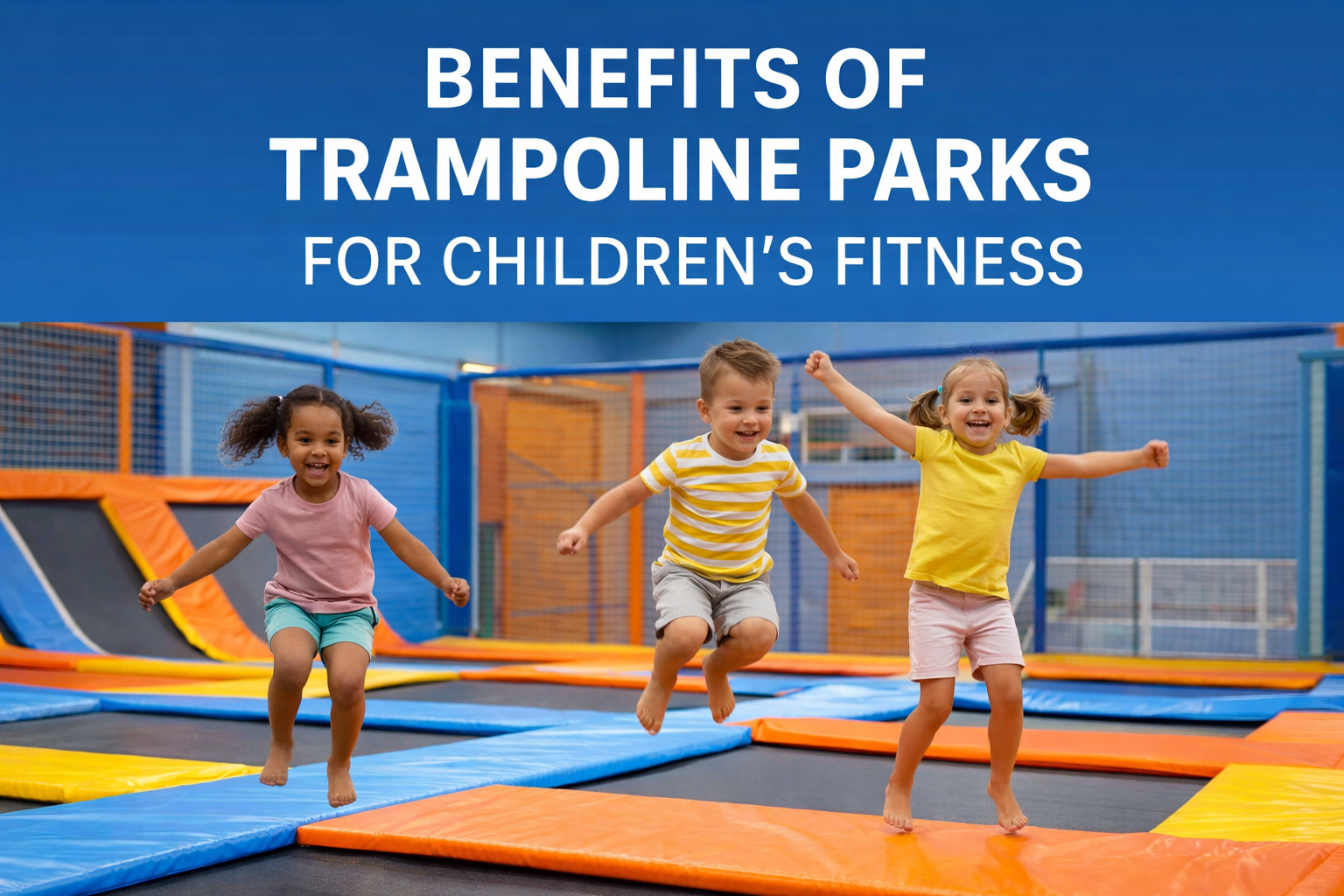
The rapid growth of trampoline parks worldwide reflects a broader shift in how families approach children’s fitness and recreation. As modern lifestyles become increasingly sedentary, parents and educators are searching for engaging physical activities that combine exercise with enjoyment. Trampoline parks provide a unique solution by transforming fitness into an exciting, dynamic experience for children of all ages. Unlike traditional sports or gym-based workouts, trampoline activities feel more like play than exercise, which significantly increases participation and consistency. From improving cardiovascular health to strengthening muscles and enhancing coordination, the benefits of trampoline parks for children’s fitness extend far beyond entertainment.

How Trampoline Parks Support Whole-Body Physical Development
One of the most significant benefits of trampoline parks for children’s fitness is full-body engagement. Jumping on a trampoline activates multiple muscle groups simultaneously, including the legs, core, arms, and back. Each jump requires balance, posture control, and muscle coordination, which strengthens both large and small muscle groups over time. Unlike isolated exercises, trampoline movement promotes symmetrical muscle development and reduces stress on joints due to the shock-absorbing surface.
Regular trampoline activity improves muscle tone, flexibility, and endurance without placing excessive strain on growing bones. Pediatric fitness experts often recommend low-impact activities like trampolining because they support healthy physical development while minimizing injury risk. For children who struggle with traditional sports, trampoline parks provide an inclusive and accessible alternative that encourages movement in a fun, pressure-free environment.
Cardiovascular Fitness and Endurance Improvement
Cardiovascular health is a critical component of children’s overall fitness, and trampoline parks offer an effective way to enhance heart and lung function. Continuous jumping elevates the heart rate, improving circulation and oxygen intake while strengthening the cardiovascular system. Studies have shown that trampoline exercise can provide similar cardiovascular benefits to running, but with reduced joint impact.
For children, especially those who find running monotonous or challenging, trampoline parks offer an enjoyable alternative that promotes sustained physical activity. Sessions often last longer because children remain engaged, which leads to improved stamina and endurance. Over time, regular trampoline activity supports healthy weight management, reduces the risk of childhood obesity, and establishes positive exercise habits that can continue into adolescence and adulthood.
Balance, Coordination, and Motor Skill Enhancement
Trampoline parks play an important role in developing balance and coordination, which are essential for overall physical fitness. Jumping, landing, twisting, and maintaining body control on a moving surface challenges the vestibular system and enhances spatial awareness. These skills are foundational for many sports and physical activities, including gymnastics, soccer, and dance.
Children develop improved reflexes and reaction times as they learn to control their movements mid-air and adjust their posture during landing. For younger children, trampolining supports the development of gross motor skills, while older children benefit from advanced coordination challenges such as obstacle courses or trampoline-based games. This constant engagement of the nervous system contributes to better body control, agility, and confidence in physical movement.
Mental Health Benefits and Emotional Well-Being
Beyond physical fitness, trampoline parks also offer substantial mental and emotional health benefits. Physical activity stimulates the release of endorphins, which help reduce stress, anxiety, and negative emotions. For children, trampoline play provides an outlet for excess energy and emotional expression, particularly in structured urban environments with limited outdoor space.
Trampoline parks encourage focus, problem-solving, and perseverance as children learn new movements or navigate play challenges. These experiences build self-confidence and resilience. Additionally, the fun and social nature of trampoline parks promotes positive associations with exercise, reducing resistance to physical activity and supporting long-term mental well-being. As awareness of children’s mental health grows, trampoline parks are increasingly recognized as valuable tools for holistic development.
Social Interaction and Cooperative Play

Another key benefit of trampoline parks for children’s fitness lies in their social dimension. Unlike solitary forms of exercise, trampoline parks foster interaction, teamwork, and communication. Children often participate in group games, challenges, or free-play sessions that encourage cooperation and friendly competition.
These interactions help children develop social skills such as turn-taking, conflict resolution, and empathy. For children who may feel excluded from traditional team sports, trampoline parks offer a more inclusive environment where skill levels vary and enjoyment takes priority. Social engagement not only enhances emotional development but also motivates children to remain physically active, reinforcing the connection between movement and positive social experiences.
Encouraging Long-Term Healthy Lifestyle Habits
Perhaps the most lasting benefit of trampoline parks is their ability to inspire long-term healthy habits. When children associate fitness with enjoyment rather than obligation, they are more likely to remain active throughout their lives. Trampoline parks make exercise accessible, exciting, and adaptable to different age groups and abilities.
Many modern trampoline parks integrate structured fitness programs, birthday activities, and educational components that promote consistent participation. Parents also benefit, as trampoline parks provide a safe, supervised environment that encourages physical activity year-round, regardless of weather conditions. By introducing children to fun, movement-based recreation early on, trampoline parks help establish a foundation for lifelong health and wellness.
Conclusion
The benefits of trampoline parks for children’s fitness extend far beyond simple recreation. These dynamic environments support full-body physical development, cardiovascular health, balance, coordination, and mental well-being. By combining low-impact exercise with high engagement, trampoline parks create a powerful platform for encouraging active lifestyles among children. Their inclusive and social nature further enhances emotional development and motivation, making fitness an enjoyable and sustainable habit. As families, educators, and communities continue to prioritize children’s health, trampoline parks stand out as a valuable solution that transforms exercise into a positive and memorable experience.
Frequently Asked Questions (FAQ)
1. Are trampoline parks safe for children’s fitness?
Yes, when properly designed and supervised, trampoline parks use impact-absorbing surfaces, safety padding, and structured rules to minimize injury risks.
2. What age group benefits most from trampoline parks?
Children aged 3 to 14 benefit significantly, though many parks offer age-specific zones to ensure safety and appropriate activity levels.
3. How often should children visit trampoline parks for fitness benefits?
Visiting once or twice a week can support cardiovascular health, muscle strength, and coordination when combined with other physical activities.
4. Can trampoline parks help with childhood obesity?
Yes. Regular trampoline activity burns calories efficiently, improves metabolism, and encourages consistent physical movement.
5. Are trampoline parks suitable for children who dislike traditional sports?
Absolutely. Trampoline parks provide a non-competitive, fun environment that appeals to children who may feel uncomfortable with structured sports.


