
Currently Empty: $ 0.00
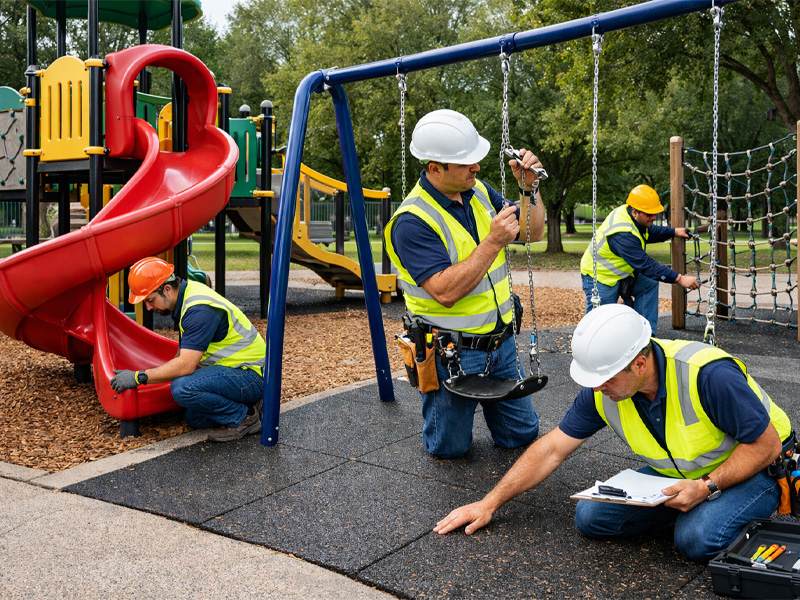
Outdoor playground equipment is designed to withstand frequent use and long-term exposure to environmental conditions. However, without proper maintenance, even high-quality playground equipment can experience premature wear, safety issues, and increased lifecycle costs. For schools, parks, and public playground operators, understanding how to maintain outdoor playground equipment is essential for ensuring safety, durability, and consistent performance.
Based on our experience supplying and supporting commercial outdoor playground equipment projects across Europe and North America, this guide explains best practices for maintaining outdoor playground equipment throughout its service life.
Why Maintenance Is Critical for Outdoor Playground Equipment
Outdoor playground equipment operates in demanding conditions, including sun exposure, rain, temperature changes, and heavy daily use. Regular maintenance helps:
- Prevent safety hazards and accidents
- Extend equipment service life
- Reduce unexpected repair costs
- Maintain compliance with safety standards
A structured maintenance program protects both users and long-term investment value.
Understanding the Components That Require Maintenance
Before establishing a maintenance plan, it is important to understand the main components of outdoor playground equipment that require regular attention:
- Structural frames and posts
- Slides and plastic panels
- Rope nets and climbing elements
- Swing sets and moving parts
- Fasteners and connectors
- Safety surfacing
Each component has different maintenance needs and inspection frequencies.
Establishing a Maintenance Schedule
Daily and Weekly Visual Inspections
Frequent visual checks help identify obvious issues early.
Daily or weekly inspections should focus on:
- Loose bolts or fasteners
- Visible damage or vandalism
- Sharp edges or exposed metal
- Accumulated debris or water
Promptly addressing small issues prevents larger problems.
Monthly Functional Inspections
Monthly inspections are more detailed and include:
- Checking the stability of structures
- Testing moving components such as swings
- Inspecting rope nets for fraying or wear
These inspections help ensure that all equipment functions as intended.
Annual Comprehensive Inspections
An annual inspection should be conducted by trained professionals. This includes:
- Structural integrity assessment
- Compliance check against EN 1176 or ASTM F1487 standards
- Review of wear patterns and potential upgrades
Documenting annual inspections supports safety compliance and liability management.
Maintaining Metal Components
Corrosion Prevention
Metal structures are typically treated with galvanization or powder coating. Maintenance should include:
- Inspecting coatings for chips or scratches
- Touching up damaged areas promptly
- Ensuring proper drainage to prevent water accumulation
In coastal or humid environments, corrosion inspections should be more frequent.
Fasteners and Connections
Bolts and connectors should be:
- Tightened regularly
- Checked for corrosion or deformation
- Replaced with original specification parts when necessary
Using compatible fasteners ensures structural integrity.
Maintaining Plastic and HDPE Components
Plastic components such as slides and panels are designed for UV resistance, but still require care.
Recommended practices include:
- Cleaning surfaces to remove dirt and contaminants
- Inspecting for cracks or deformation
- Ensuring secure attachment to supporting structures
Replacing damaged plastic components promptly maintains safety and appearance.
Rope Nets and Climbing Elements Maintenance
Rope-based components experience significant mechanical stress.
Maintenance checks should include:
- Inspecting ropes for fraying or broken fibers
- Verifying tension and secure anchoring
- Checking connection points for wear
Steel-core ropes and reinforced fibers generally offer longer service life but still require routine inspection.
Swing Sets and Moving Parts
Swing sets and other moving components require particular attention.
Maintenance tasks include:
- Checking suspension points and bearings
- Inspecting chains or ropes for wear
- Ensuring seats are intact and securely attached
Lubrication may be required for certain moving parts, following manufacturer guidelines.
Safety Surfacing Maintenance
Safety surfacing is a critical part of outdoor playground equipment performance.
Common surfacing types include:
- Rubber tiles or poured-in-place rubber
- Engineered wood fiber
- Synthetic turf
Maintenance practices involve:
- Ensuring even surface depth
- Removing debris and hazards
- Repairing damaged or displaced sections
Well-maintained surfacing reduces injury risk from falls.
Cleaning and Hygiene Practices
Although outdoor playgrounds are exposed to natural elements, regular cleaning remains important.
Best practices include:
- Removing dirt, leaves, and litter
- Washing surfaces with mild cleaning agents
- Avoiding harsh chemicals that damage materials
Clean equipment improves user experience and extends material lifespan.
Addressing Weather and Seasonal Impacts
Seasonal changes affect maintenance requirements.
- Winter: Inspect for freeze-related damage and remove ice buildup
- Summer: Monitor UV exposure and surface temperatures
- Rainy seasons: Check drainage and water pooling
Adjusting maintenance frequency based on season helps prevent damage.
Documentation and Maintenance Records
Maintaining clear records supports effective management and compliance.
Records should include:
- Inspection dates and findings
- Repairs and replacements performed
- Parts used and service providers
Documentation demonstrates due diligence and supports warranty claims.
Common Maintenance Mistakes to Avoid
Common issues observed in outdoor playground projects include:
- Delaying repairs until problems escalate
- Using non-compatible replacement parts
- Ignoring manufacturer maintenance guidelines
Avoiding these mistakes helps maintain safety and reliability.
When to Involve Professional Maintenance Services
While routine inspections can be performed by site staff, professional services are recommended for:
- Structural repairs
- Annual safety inspections
- Major component replacements
Professional maintenance ensures compliance with safety standards and manufacturer specifications.
Real-World Maintenance Experience
In our experience supporting outdoor playground equipment maintenance, projects with structured maintenance plans consistently achieve:
- Longer equipment lifespan
- Fewer safety incidents
- Lower total maintenance costs
Proactive maintenance is more cost-effective than reactive repairs.
How to Choose a Reliable Outdoor Playground Equipment Supplier
A reliable manufacturer supports maintenance through:
- Clear maintenance guidelines
- Availability of replacement parts
- Technical support and after-sales service
Long-term supplier relationships simplify maintenance planning.
Conclusion
Maintaining outdoor playground equipment is an ongoing responsibility that directly affects safety, durability, and long-term value. By implementing structured inspections, using proper maintenance techniques, and working with experienced manufacturers, playground operators can ensure safe and enjoyable outdoor play environments for years to come.
SEO Meta Description
Recommended URL Slug
//
Primary Keyword
- How to Maintain
Secondary & Related Keywords
Internal Linking Suggestions
- /outdoor-playground-equipment-buyers-guide/
- /outdoor-playground-equipment-safety-standards/
- /playground-equipment-maintenance-guide/
Image Generation Prompt(用于博客头图或示意图)
Prompt:
Maintenance of commercial outdoor playground equipment in a public park, showing inspection of slides, swing sets, rope nets, and safety surfacing. Professional workers checking equipment, clean environment, durable materials, realistic professional style, high resolution, wide-angle view.
如果你希望,我可以继续按这个标准:
- 🔹 一次性帮你写完剩余 16 篇高潜力文章
- 🔹 统一规划 URL、内链、关键词矩阵
- 🔹 帮你整理成“维护 + 安全”内容专题
你只需告诉我:下一篇标题是哪一个。


