
Currently Empty: $ 0.00
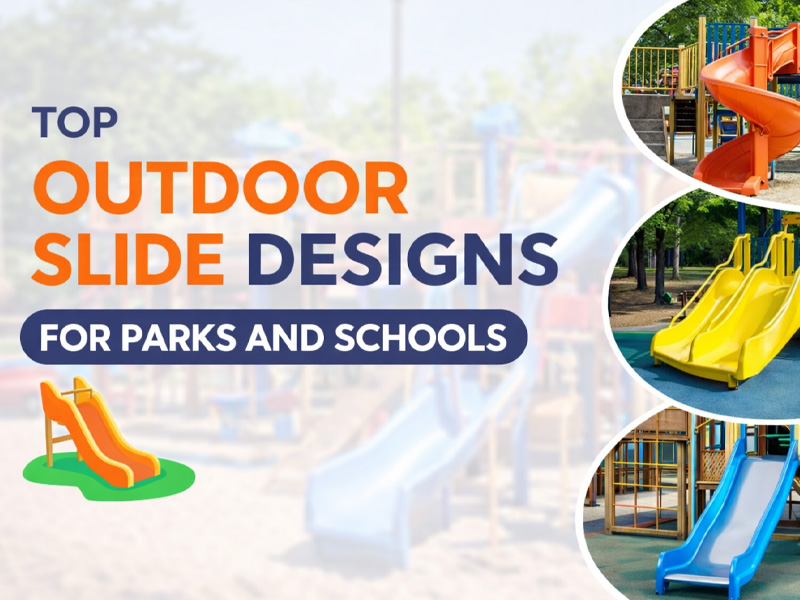
Outdoor slides remain one of the most essential and beloved components of playgrounds in parks and schools. They are not only symbols of childhood joy but also important tools for physical development, social interaction, and inclusive play. However, choosing the right outdoor slide design today involves much more than selecting a basic structure. Decision-makers must consider safety standards, age suitability, material durability, spatial constraints, inclusivity, and long-term maintenance costs.
With evolving playground standards and higher expectations from parents, educators, and municipalities, outdoor slide design has become a strategic investment rather than a simple purchase. This article explores the top outdoor slide designs for parks and schools, highlighting functional benefits, safety considerations, and future-ready trends to help planners, school administrators, and developers make informed decisions.
1. Why Outdoor Slide Design Matters in Modern Playgrounds
1.1 Beyond Entertainment: Developmental Benefits
Outdoor slides contribute to more than just fun. From a developmental perspective, they support:
- Gross motor skill development, such as balance and coordination
- Risk assessment and confidence building
- Social interaction, especially in multi-user slide systems
Well-designed slides encourage children to climb, wait their turn, and interact with peers, reinforcing both physical and social growth.
1.2 Design as a Safety and Compliance Factor
Modern playground projects must comply with international safety standards such as ASTM F1487, EN 1176, and CPSC guidelines. Slide design directly affects fall height, landing zones, handrail placement, and surface integration. A thoughtfully engineered design reduces liability risks while enhancing user trust.
2. Straight Slides: Timeless and Space-Efficient
2.1 Ideal Applications
Straight slides remain a popular choice for:
- Elementary school playgrounds
- Community parks with limited space
- Budget-conscious projects
Their simple geometry makes them easy to integrate into climbing frames, play towers, and modular playground systems.
2.2 Key Advantages
- Predictable sliding speed for younger children
- Easier supervision by teachers and parents
- Lower manufacturing and maintenance costs
Straight slides are especially effective when paired with age-appropriate platforms and non-slip access ladders.
3. Curved and Wave Slides: Balancing Fun and Control
3.1 Enhanced Play Experience
Curved and wave slides introduce gentle turns or undulations, offering a more engaging ride while controlling speed. This makes them suitable for children aged 5–12.
3.2 Design Considerations
- Gradual curves to prevent excessive acceleration
- Extended sidewalls for improved safety
- Seamless joints to avoid pinch points
In school environments, wave slides often strike the best balance between excitement and safety compliance.
4. Spiral Slides: Maximizing Play Value in Compact Areas
4.1 Space-Saving Vertical Design
Spiral slides are ideal for parks and schools with height availability but limited horizontal space. Their vertical orientation allows for:
- Higher play structures
- Longer sliding paths within compact footprints
4.2 Safety and Age Suitability
Due to reduced visibility and longer ride time, spiral slides are best suited for:
- Children aged 6 and above
- Supervised public playgrounds
Transparent panels or open sections can improve visibility and safety monitoring.
5. Inclusive and ADA-Friendly Slide Designs
5.1 Designing for Accessibility
Inclusive playgrounds are no longer optional in many regions. Slide designs can support inclusivity through:
- Transfer platforms for children with mobility challenges
- Wide slide entrances
- Low-slope or double-wide slides
5.2 Social Inclusion Benefits
Inclusive slide designs promote shared play experiences, allowing children of different abilities to interact, reducing social barriers and fostering empathy.
6. Material Choices: Durability Meets Climate Resistance
6.1 Common Materials Used in Outdoor Slides
- Stainless steel: High durability, vandal-resistant, suitable for high-traffic parks
- HDPE plastic: UV-resistant, cost-effective, cooler to the touch
- FRP (Fiberglass Reinforced Plastic): Custom shapes, strong structural performance
6.2 Climate and Maintenance Factors
In hot climates, plastic slides with UV stabilization reduce heat absorption. In colder regions, steel slides with anti-condensation design offer longer service life. Material selection directly impacts lifecycle cost and user comfort.
7. Custom Slide Designs for Schools and Parks
7.1 Branding and Thematic Integration
Custom outdoor slides can reflect:
- School colors and mascots
- Nature or adventure themes in public parks
- Cultural or educational concepts
These designs enhance identity and community engagement.
7.2 Modular Customization
Modern manufacturers offer modular slide systems that allow:
- Future expansion
- Easy replacement of damaged components
- Flexible adaptation to changing space requirements
This approach supports long-term planning and budget efficiency.
8. Safety Surfacing and Slide Integration
8.1 Importance of Impact-Absorbing Surfaces
No slide design is complete without proper surfacing. Recommended options include:
- Poured-in-place rubber
- Rubber tiles
- Engineered wood fiber
Each must meet fall height requirements associated with the slide structure.
8.2 Seamless Integration
Designers should ensure smooth transitions between slide exits and ground surfaces to reduce tripping hazards and improve accessibility.
9. Trends Shaping the Future of Outdoor Slide Design
9.1 Sustainability and Eco-Friendly Materials
Recyclable plastics and low-carbon manufacturing processes are becoming priorities for municipalities and schools aiming to meet sustainability goals.
9.2 Smart and Interactive Elements
Emerging trends include:
- Integrated sound or motion features
- Interactive panels combined with slides
- Data-driven maintenance monitoring
While still developing, these innovations signal a more interactive future for playground design.
Choosing the right outdoor slide design for parks and schools requires a balanced approach that prioritizes safety, age appropriateness, durability, and long-term value. From classic straight slides to inclusive and custom designs, each option serves a specific purpose within a well-planned playground environment.
By aligning slide design with user needs, regulatory standards, and environmental conditions, schools and municipalities can create engaging outdoor spaces that support healthy development, inclusivity, and community well-being for years to come.
Frequently Asked Questions (FAQ)
1. What is the safest type of outdoor slide for schools?
Straight or gently curved slides with certified safety compliance and proper surfacing are generally safest for school environments.
2. Which outdoor slide material lasts the longest?
Stainless steel offers the highest durability, especially in high-traffic public parks.
3. Are spiral slides suitable for young children?
Spiral slides are typically recommended for children aged 6+ due to visibility and speed considerations.
4. How do inclusive slide designs benefit playgrounds?
They enable children of all abilities to play together, promoting social inclusion and equal access.
5. How often should outdoor slides be inspected?
Professional inspections are recommended annually, with routine visual checks performed monthly.


